
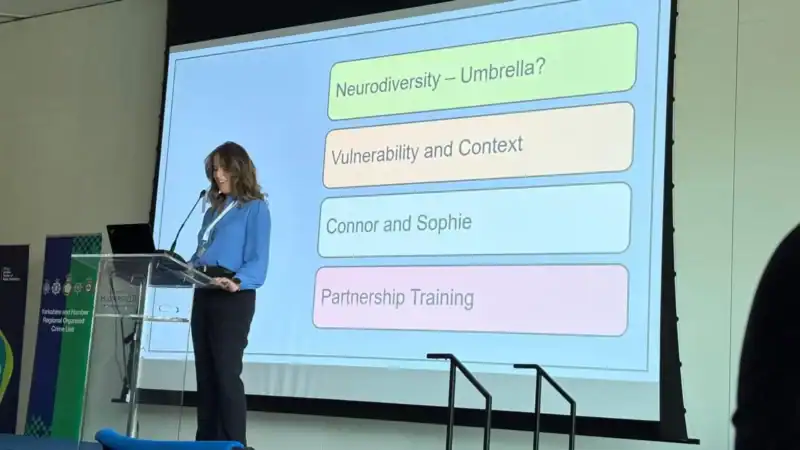
Partnership Working, Vulnerability, and the Cost of Inconsistency
When discussions about online extremism involve neurodivergent young people, vulnerability is often mentioned. However, findings from my research suggest that vulnerability is neither consistently defined…
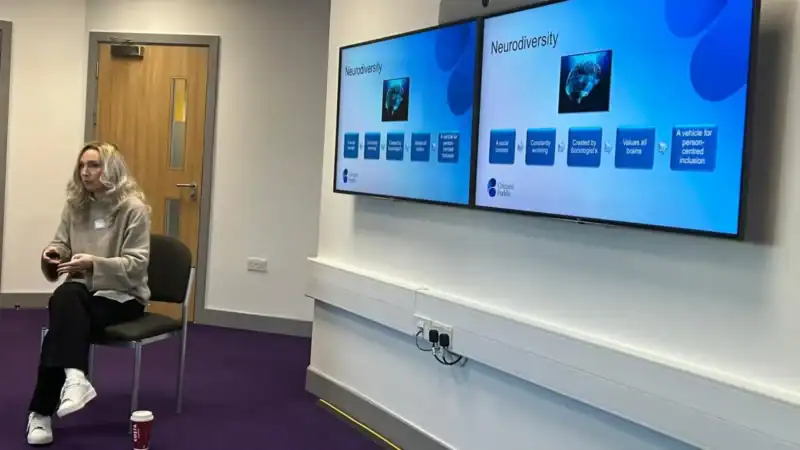
Mens Rea, Intent, and the Problem of “Just Saying It Online”
One of the most complex questions practitioners face in cases of online extremism is deceptively simple: Did the person actually intend to act? Findings from…

When “The Extreme” Becomes “The Mainstream”
When practitioners talk about online radicalisation, they often describe it as something deliberate: searching, seeking, choosing. Findings from this research suggest something more unsettling:…

The Impact of Surface-Level Understanding: Why Simplistic Narratives Increase Risk
In recent years, practitioners across criminal justice, safeguarding and prevention have become increasingly aware of the relationship between neurodivergence, online spaces and extremism. In…

Neurodiversity training in custody: what the research tells us
We are proud to share that our neurodiversity custody training has been formally evaluated and published in Policing: An International Journal (Emerald Publishing). The…

Autism acceptance month: progress, persistence, and the tension between the two
Every April, Autism Acceptance Month arrives with a familiar mix of energy and exhaustion. There’s the hopeful side – more visibility, more conversation, more…

How to Talk About Neurodiversity at Work with Confidence
This is our fifth and final blog post of our “Difficult Conversation” series as part of our 2026 Neurodiversity Celebration Week. Yesterday we looked…
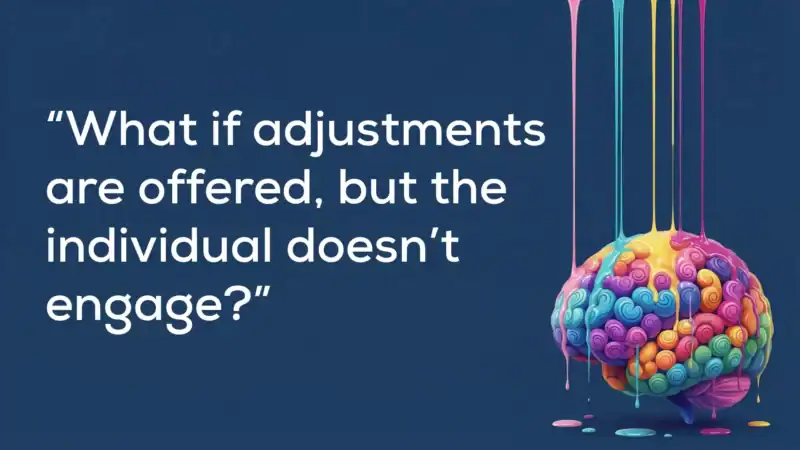
What Do You Do When Workplace Adjustments Are Not Working?
This is our fourth blog post of our “Difficult Conversation” series as part of our 2026 Neurodiversity Celebration Week. Yesterday we looked at the…